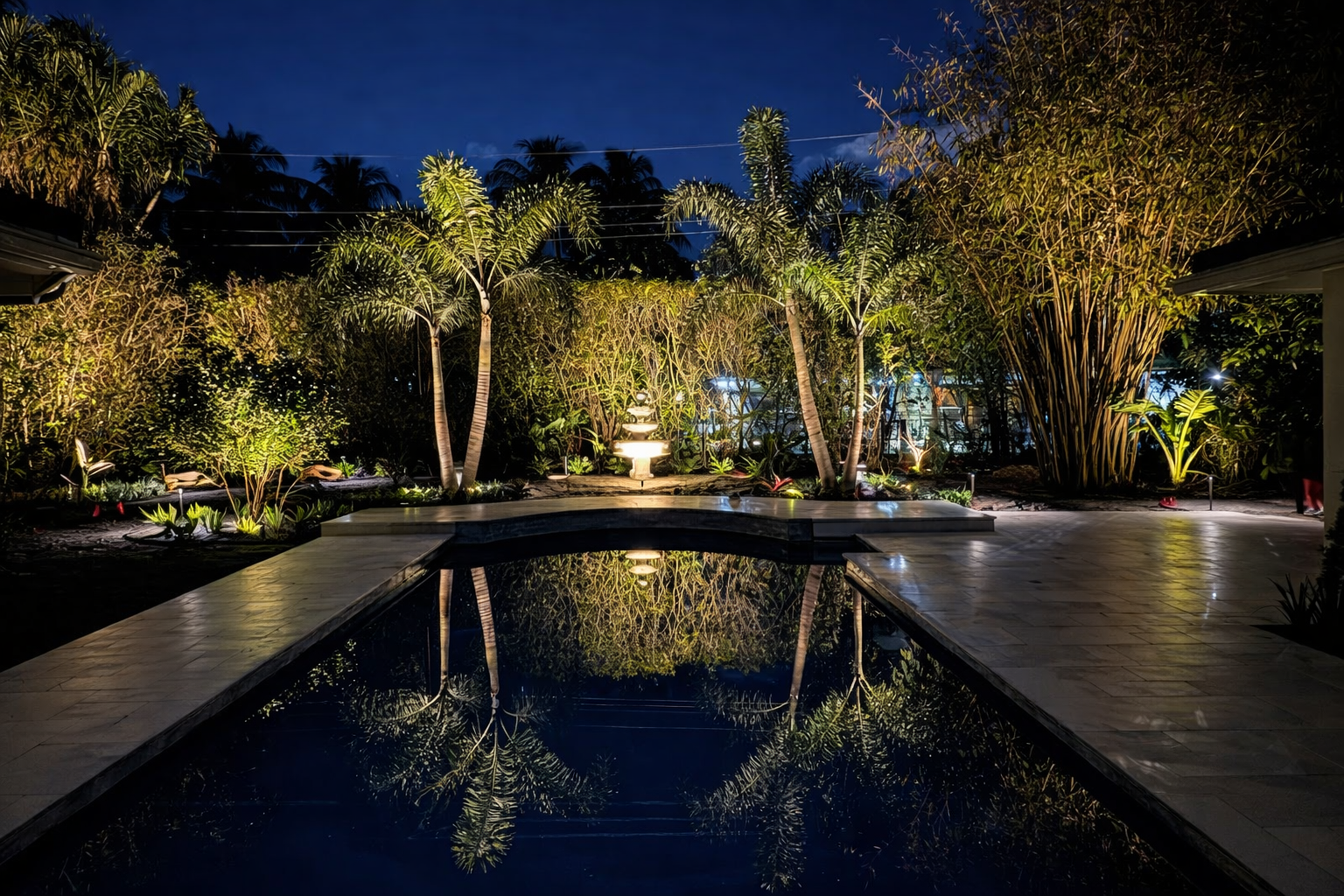
Evolving Ecosystems: Designing Smart Rain Gardens for Sustainable South Florida Landscapes Jul 03, 2026
South Florida is characterized by its unique climate and frequent rainfall. This not only supports lush vegetation but also poses challenges related to water management. Smart rain gardens offer a solution by helping manage stormwater, reducing runoff, and protecting local water systems. They absorb rainwater and filter out pollutants, providing a habitat for native plants and wildlife. Designing these intricate ecosystems requires expertise and a deep understanding of the area's natural conditions.
The process starts with selecting the right location. Ideally, a rain garden should be situated in a low spot where water naturally flows and collects, away from your home’s foundation. The second step involves choosing the right mix of plants. Native plants are ideal for rain gardens because they are already adapted to the local environment. Popular choices in South Florida might include muhly grass, swamp milkweed, and scarlet hibiscus. These plants not only thrive in wet conditions but also provide habitats for local wildlife, including butterflies and birds, enhancing biodiversity.
Once plants are selected, the design process considers soil composition. The type of soil affects how well your rain garden will perform. Sandy soils, common in South Florida, drain quickly, whereas clay soils retain water. The design must ensure proper layering to facilitate efficient water infiltration and nutrient absorption, mimicking natural wetlands.
To effectively manage rainwater, consider including a berm or swale in the design. These features direct water flow and help in the gradual absorption of water into the garden, preventing erosion and waterlogging. Additionally, the inclusion of mulch in a rain garden serves a dual purpose: it helps retain moisture during dry spells and suppresses weed growth, reducing garden maintenance efforts.
Maintaining a smart rain garden is as important as setting it up. Regular checks ensure that the plants remain healthy and that the garden retains its water management capabilities. This includes trimming overgrown plants, removing debris, and occasionally replenishing mulch. With the right care, a rain garden can thrive for many years, providing a sustainable landscaping solution that aligns with South Florida's ecological needs.
In conclusion, rain gardens are a smart, sustainable choice for South Florida landscapes. They offer a practical solution to water management issues, enhance biodiversity, and add aesthetic value to properties. At South Florida Terra Systems, our goal is to design rain gardens that are in harmony with nature while catering to your landscape requirements. By integrating these eco-friendly gardens into your property, you not only contribute to environmental conservation but also enjoy the serene beauty they bring.
Taking a thoughtful approach to designing and maintaining rain gardens will ensure that your landscape not only thrives but also contributes positively to your community’s environment. Engaging with experienced professionals like those at South Florida Terra Systems can make the transition to a more sustainable landscape both effortless and highly rewarding.