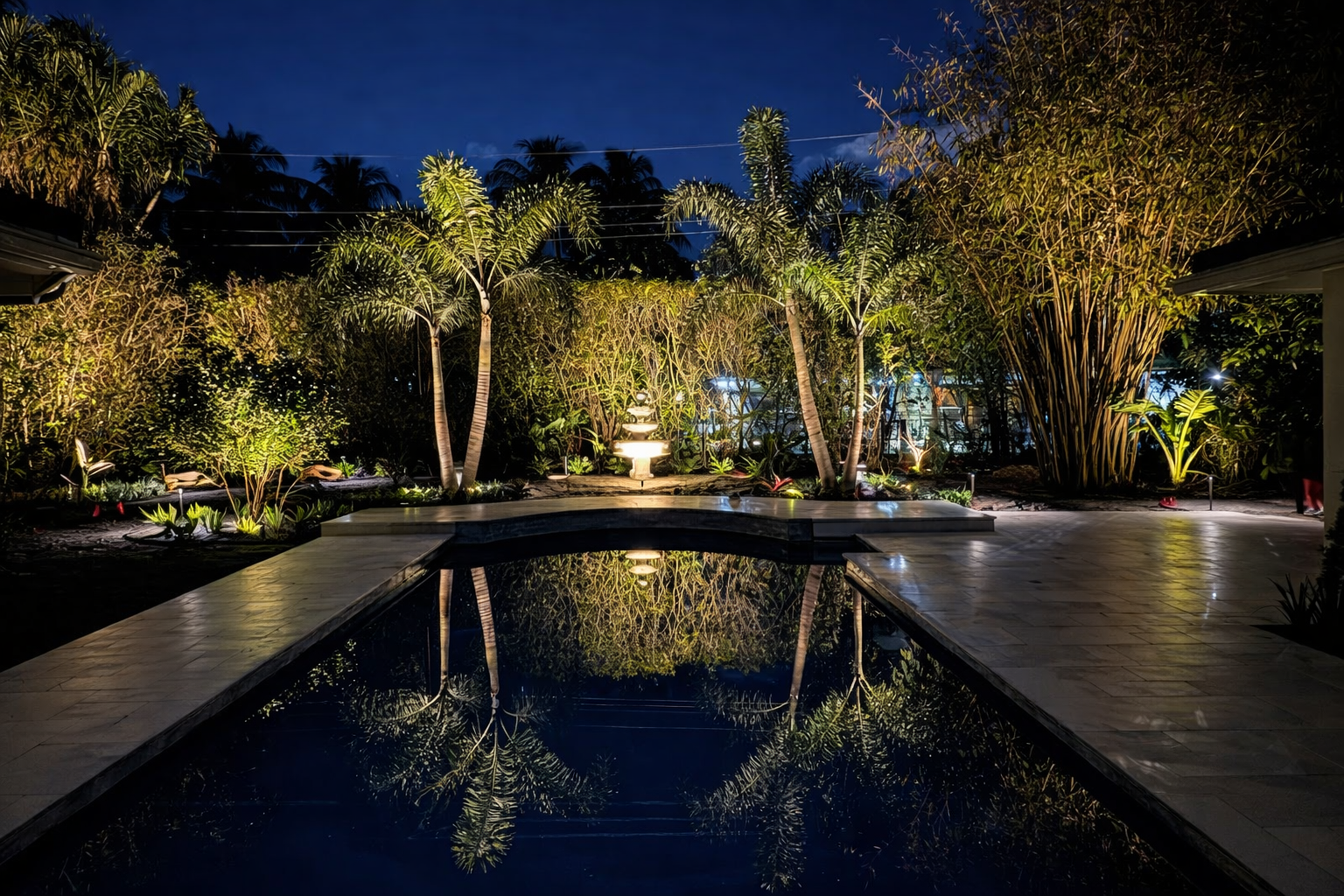
The Biodiversity Boost: Creating Pollinator-Friendly Gardens in South Florida Jun 09, 2026
Pollinators play a crucial role in the reproduction of plants, aiding in the production of fruits, vegetables, and flowers. Unfortunately, recent declines in pollinator populations highlight an urgent need for protective habits and habitats. Gardens that cater to these species can provide necessary food and shelter, helping to sustain their populations and, consequently, our own food systems. In South Florida, implementing pollinator-friendly gardening practices can be especially rewarding due to the region's diverse flora and year-round growing season.
To begin creating a pollinator-friendly garden, consider incorporating a diverse range of native plants. Native plants are preferable because they require less maintenance and are more resistant to local pests and diseases. South Florida hosts a variety of native species such as the Firebush, Saw Palmetto, and Wild Coffee, which offer essential resources for pollinators throughout the year. Choosing plants that flower at different times ensures a continuous supply of nectar and pollen, vital for supporting different species at various life stages.
In addition to selecting the right plants, understanding the layout of your garden is critical. Designing garden spaces with multiple layers increases habitat variety, from ground cover plants to shrubs to taller trees. This layering mimics natural ecosystems, providing various pollinators with the habitats they need to thrive. Including features like a small water source—perhaps a shallow birdbath or small pond—is an excellent way to attract a range of pollinating species, offering them hydration during hotter months.
Reducing or eliminating the use of pesticides is another important consideration in creating a pollinator-friendly environment. Many chemicals used in pest control are harmful to pollinators, so opting for natural alternatives or integrated pest management can help sustain beneficial insects. Encouraging natural predators of garden pests, such as ladybugs or lacewings, can reduce the need for chemical interventions and promote a healthier garden ecosystem.
Educating yourself and others about the importance of pollinators and pollinator-friendly practices can also make a significant impact. Host workshops or garden tours to inspire your community to support these essential creatures. The more widespread these practices become, the better the collective effort in boosting biodiversity in South Florida will be.
In summary, creating a pollinator-friendly garden in South Florida involves selecting a variety of native plants, designing a layered garden structure, reducing pesticide use, and fostering community involvement. By following these steps, you can transform your garden into a sanctuary that supports pollinators while enhancing its beauty and productivity. South Florida Terra Systems is committed to helping you achieve a garden that not only flourishes aesthetically but also contributes positively to the environment. Let’s work together to make South Florida a haven for pollinators, ensuring a thriving future for our ecosystem and community.